DESTINATIONS
The Ultimate Costa del Sol Road Trip
From Málaga’s historic streets to Nerja’s clifftop views, Marbella’s glamour and Estepona’s flower-filled lanes — the perfect drive along Spain’s sun-soaked coast.
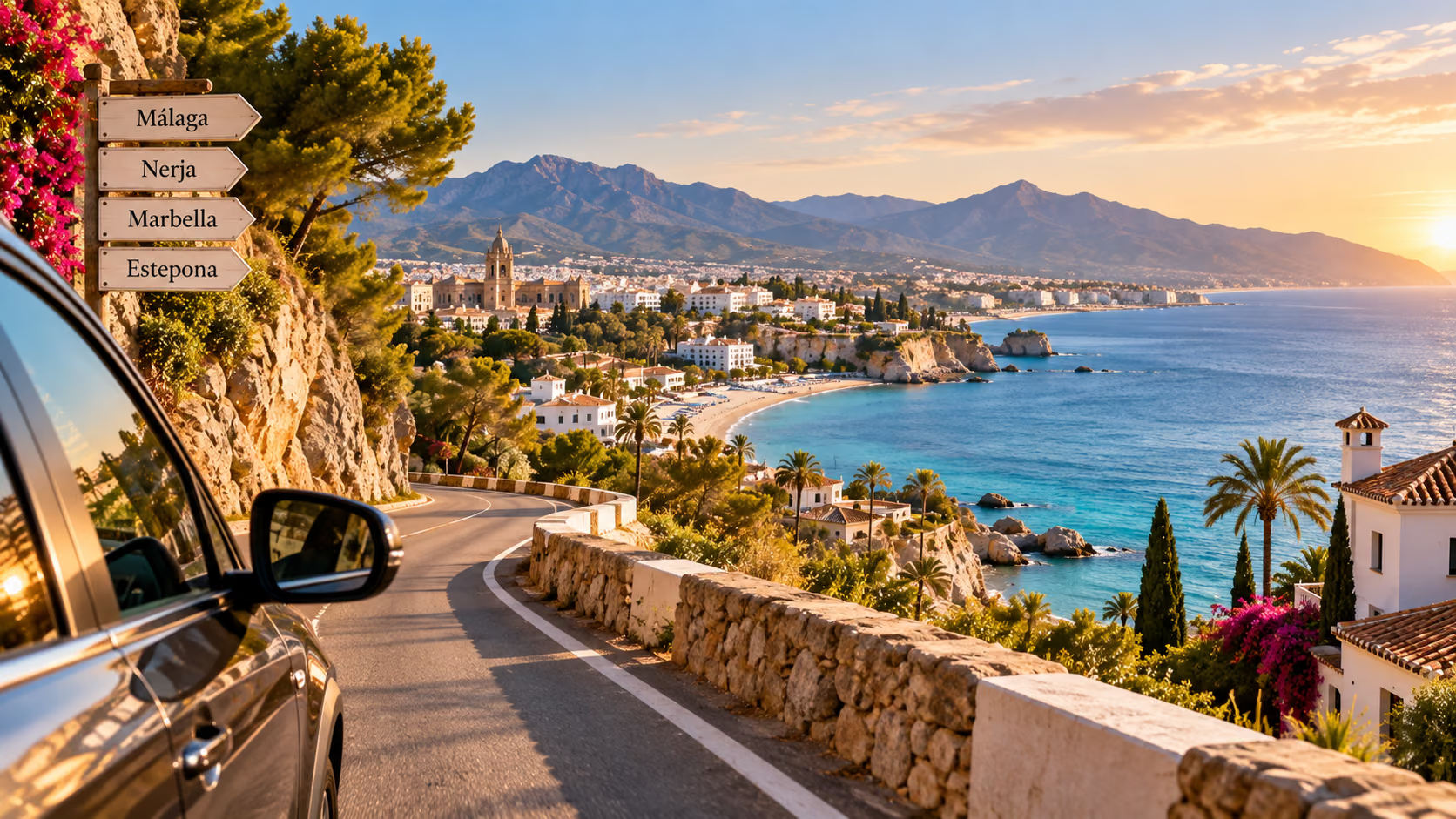
There’s a reason the Costa del Sol keeps calling people back. Over 150 km of Mediterranean coastline, whitewashed villages clinging to hillsides, dramatic cliffs, golden beaches, and that legendary Andalusian light. The best way to experience it? Get behind the wheel.
This flexible road-trip route starts in vibrant Málaga, swings east to the charming cliffs of Nerja and the picture-perfect white village of Frigiliana, then heads west through the heart of the coast to glamorous Marbella and the flower-filled streets of Estepona. You can compress it into a long weekend or stretch it over a week or more, mixing city culture, beach days, cave exploration, and long, lazy lunches of espeto sardines by the sea.
Rent a car at Málaga Airport (AGP) — the drive is straightforward on the A-7 and AP-7 — and base yourself in stylish villas or apartments along the way. Platforms like Villario make it easy to find transparent, no-booking-fee stays that feel like home (with space for the family, a private pool, or sea views).
Start in Málaga: Culture, History & That First Taste of the Coast
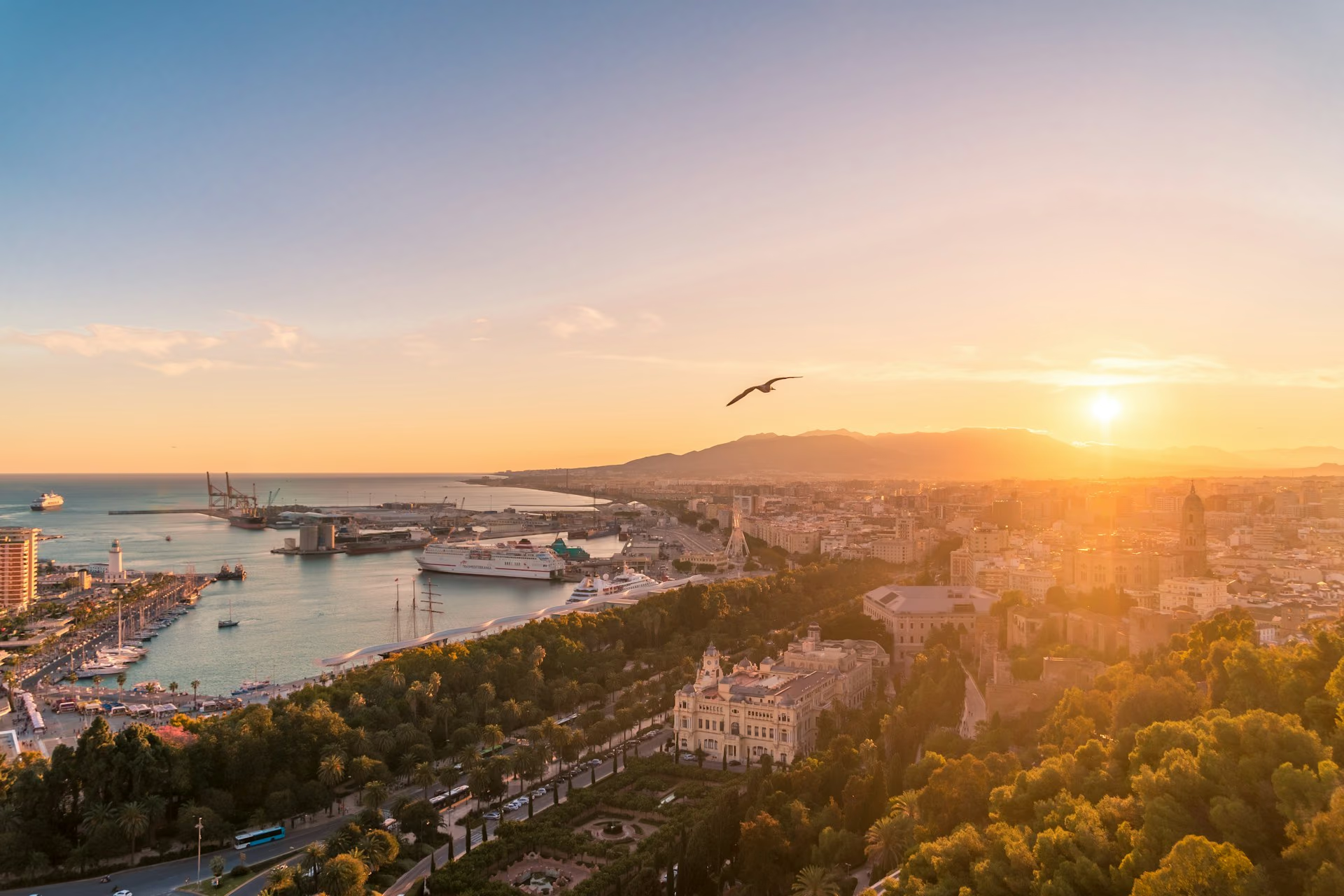
Málaga is the perfect launchpad — a proper city with soul, not just a beach resort. Spend at least a full day (or two) here.
Wander the historic centre: climb the Alcazaba fortress for panoramic views, visit the Picasso Museum (the artist was born here), and stroll past the Cathedral (“La Manquita”). Calle Larios and the Soho district buzz with energy, while the waterfront at Muelle Uno and La Malagueta beach offer the classic Costa del Sol introduction.
Practical tip: Park outside the old town if possible — the centre is best on foot. Fuel up on mollete with olive oil and tomato or fresh seafood before hitting the road.
East to Nerja & Frigiliana: Cliffs, Caves & Whitewashed Perfection
Head east along the coast (roughly 50–60 minutes to Nerja). The landscape changes — steeper cliffs, more dramatic coves, and a slightly quieter feel.
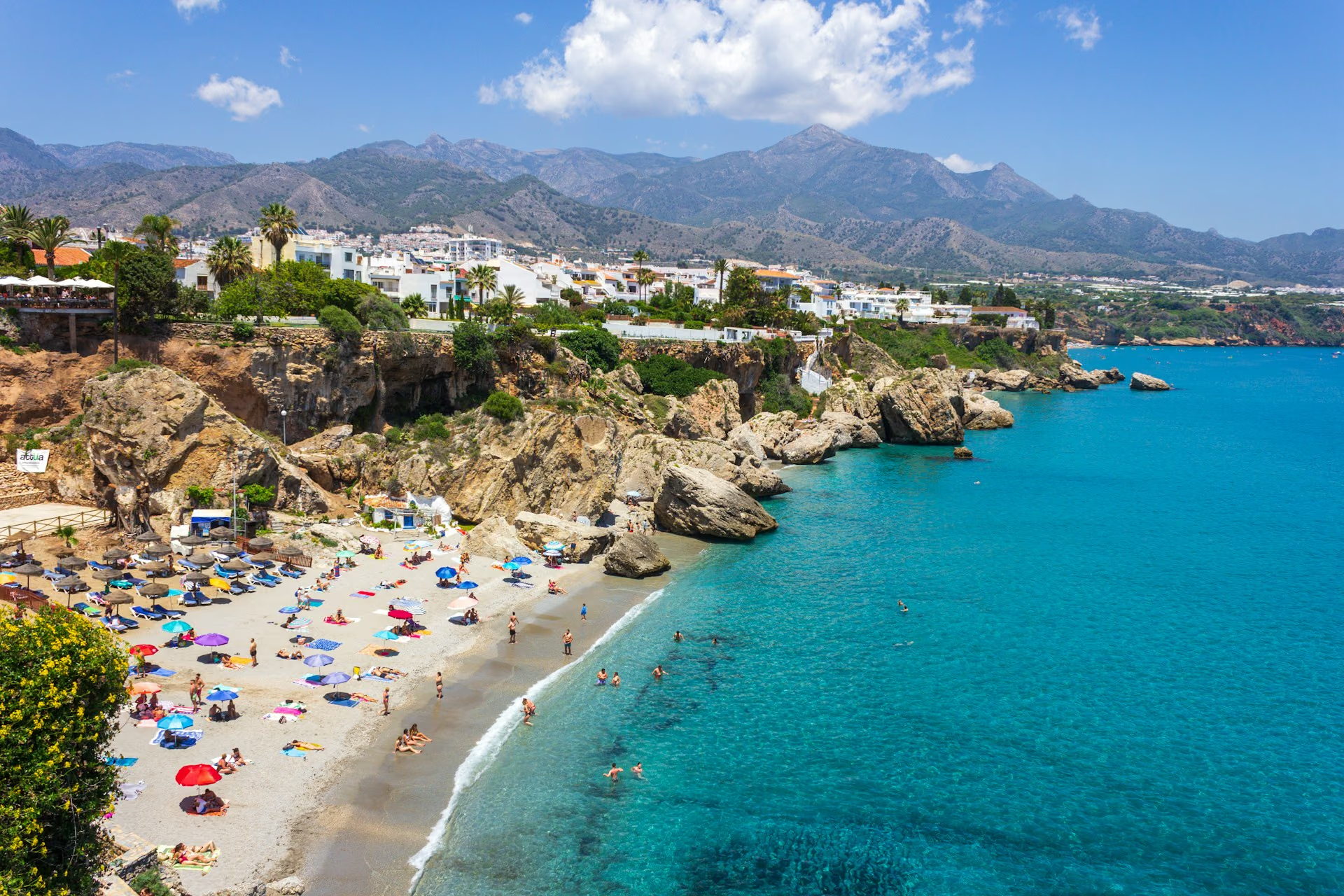
Nerja is pure postcard material. Stand on the famous Balcón de Europa, the clifftop promenade that juts into the Mediterranean with sweeping views in both directions. Explore the old town’s narrow streets, then make time for the Cuevas de Nerja — vast chambers of stalactites and stalagmites often called a “prehistoric cathedral.” Nearby beaches like Burriana are ideal for a swim or a long lunch at a chiringuito.
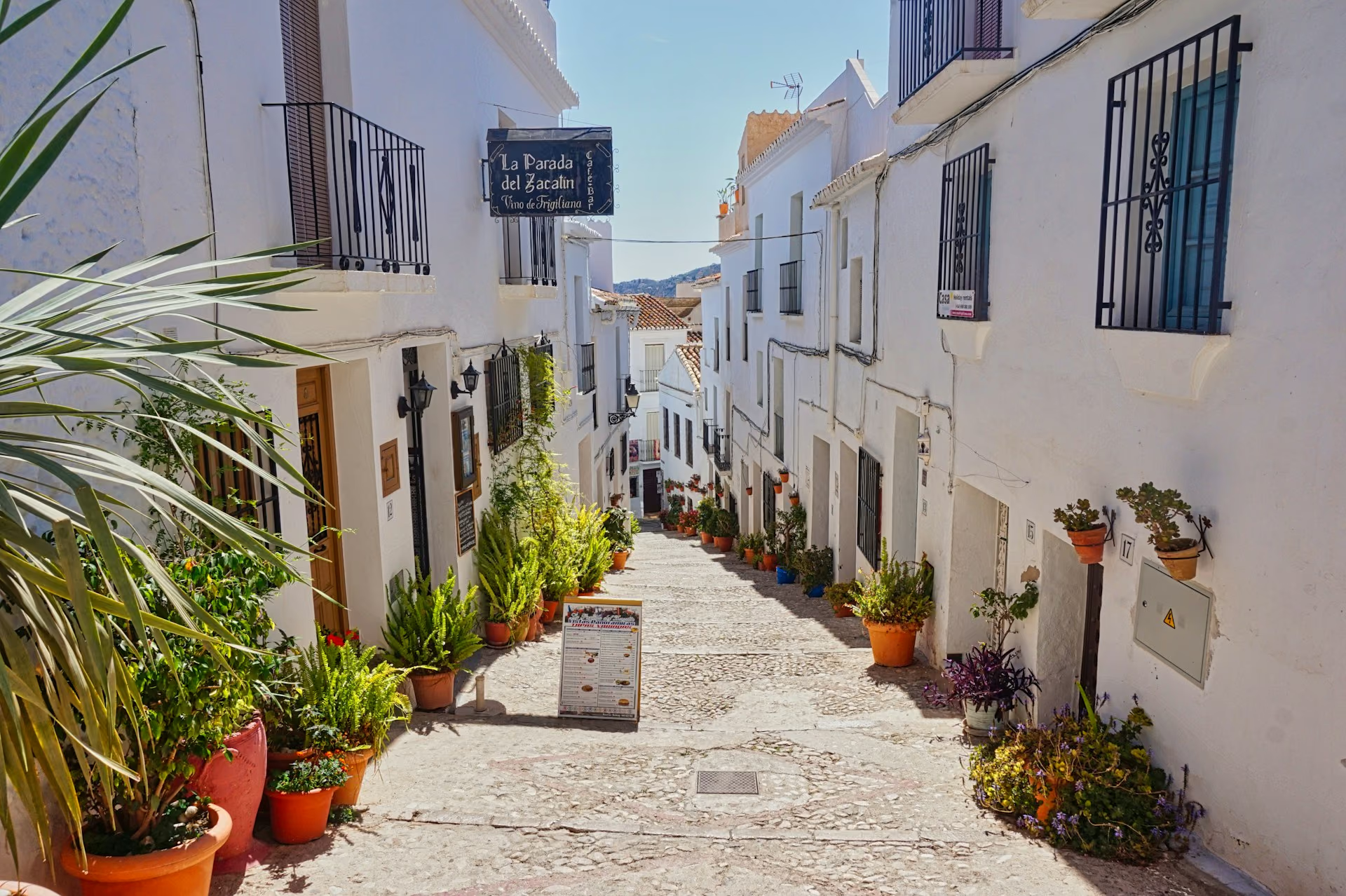
Just 10–15 minutes inland sits Frigiliana, regularly ranked among Spain’s most beautiful villages. Its Moorish quarter is a labyrinth of steep, whitewashed lanes overflowing with flowers, blue doors, and ceramic panels telling local history. Climb to the viewpoints for sea-and-mountain panoramas. It’s the perfect contrast to the coast and highly photogenic.
Westward: The Classic Costa Stretch Toward Marbella
Retrace your route past Málaga and continue west. You can stop lightly in places like Torremolinos or Fuengirola for long sandy beaches and lively promenades, or detour up to Mijas Pueblo — another classic white village with donkey taxis (optional), craft shops, and sweeping coastal views.
The real glamour begins as you approach Marbella. The old town is a delight: Plaza de los Naranjos (Orange Square), bougainvillea-draped alleys, and boutique shopping. Then head to Puerto Banús for the full spectacle — luxury yachts, high-end boutiques, and people-watching that borders on theatre. Marbella’s beaches and beach clubs deliver the classic “Costa del Sol” lifestyle, while the surrounding hills offer quieter villa bases.

Finish in Estepona: Art, Flowers & Authentic Charm
Continue west another 30–40 minutes to Estepona, often called the “Garden of the Costa del Sol.” The old town is one of the prettiest on the coast — white houses dripping with geraniums and bougainvillea, plazas perfect for people-watching, and a relaxed atmosphere that feels more traditionally Andalusian.
Don’t miss the Ruta de los Murales — an open-air street-art trail with dozens of large-scale murals turning ordinary walls into a free outdoor gallery. Combine it with the seafront promenade, the marina, and beaches like La Rada. Estepona makes an excellent western base or final stop, with easy access to more quiet stretches toward Manilva if you want to keep going.

How to Structure Your Trip
Long weekend (3–4 days): Málaga (1 night) → Nerja/Frigiliana (1–2 nights) → Marbella or Estepona (1–2 nights).
One week: Add beach time, a day in Mijas, more time in Marbella’s surroundings, and slower mornings by the pool.
Driving notes: The A-7 is free and scenic but can be slower with local traffic. The AP-7 toll road is faster for longer stretches. Distances are manageable — Málaga to Nerja ~50–60 km, Nerja to Marbella ~110–120 km, Marbella to Estepona ~30–35 km.
Where to Stay: Villa Life on the Costa del Sol
The real luxury of a road trip here is waking up in a private villa or stylish apartment with space to spread out, a terrace for sunset drinks, and often a pool. Search for places near your daily bases so you can explore without constant packing.
Villario specialises in transparent, no-extra-booking-fee rentals worldwide — ideal for finding verified properties along this route, whether you want a modern villa near Marbella, a coastal apartment in Nerja, or a peaceful spot in Estepona. Clear pricing, flexible options, and the freedom to book the stays that match your itinerary.
Pack light, bring a good playlist, and leave room in the car for olive oil, local ceramics, and that last box of turrón. The Costa del Sol rewards those who take the scenic route — and with a car and the right bases, you can experience the best of it at your own pace.
Ready to plan yours? Start by mapping the route, checking villa availability for your dates, and getting ready for some of the best driving (and dining) in southern Spain.